Español
 简体中文
简体中文

I. Equipment Inspection and Preparation
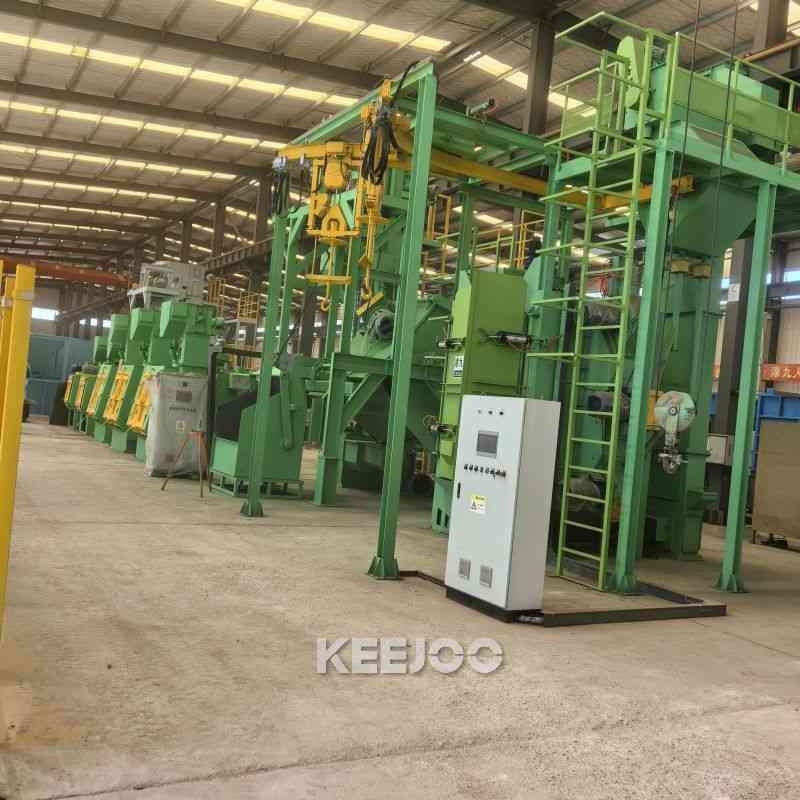
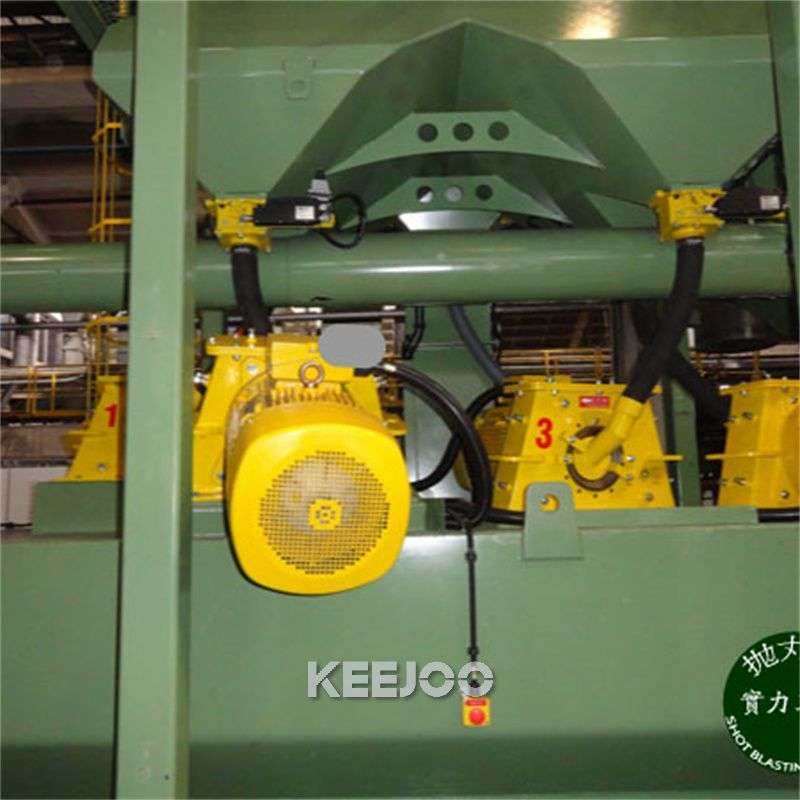
Blast inspection: Before the blasting operation begins, a thorough inspection is conducted to ensure all components are in good working order. Key components—such as the blast wheel, conveyor system, and dust collector—must be checked for wear; parts should be repaired or replaced promptly if necessary.
Preparation of H-beams: Before blasting, the H-beams must be cleaned to remove surface contaminants such as oil and rust. Additionally, verify that dimensions and shapes meet specifications.
II. Blasting Parameters
Blast intensity: Select the appropriate blast intensity based on the material, thickness, and surface condition of the H-beam. Insufficient intensity may fail to achieve the desired cleaning effect, while excessive intensity can cause undue surface wear.
Blast duration: Adjust the blasting time according to actual conditions and the observed cleaning results. Generally, a longer blast duration improves cleaning quality but also increases equipment wear and energy consumption. Therefore, the aim is to minimize blast time while still achieving the required cleaning standard.
III. Process Control
Uniform feed: Ensure the H-beams enter the blast chamber evenly to prevent bunching or jamming. This helps guarantee the uniformity and consistency of the blasting results.
Monitoring the blasting effect: Continuously monitor the cleaning results during the process. If issues such as inadequate cleaning or excessive surface wear are detected, promptly adjust the blasting parameters or halt the operation for inspection. Safety considerations: During the blasting process, the operator must wear protective gear to prevent contact with the abrasive media (steel shot). Additionally, the operator must closely monitor equipment performance to detect any abnormal sounds, vibrations, or other irregularities.
Fourthly, post-processing and maintenance
Residue removal: Once the blasting operation is complete, any remaining debris inside the chamber—such as spent shot, dust, etc.—must be promptly removed. This helps keep the equipment clean and in good working order.
Equipment maintenance: Regular servicing of the blasting machines is required, including lubrication, tightening screws, replacing worn parts, and so on. This helps extend the equipment's service life and improve operational efficiency.
Quality inspection: The treated steel must be inspected after blasting to verify surface cleanliness, roughness, and other parameters. If the results do not meet specifications, the material must be reprocessed or scrapped as appropriate.
In conclusion, the blasting process requires careful attention to equipment inspection and preparation, blasting parameters, process control, and post-processing maintenance. Only through comprehensive consideration and strict control of these factors can the quality and consistency of the blasting results be ensured.